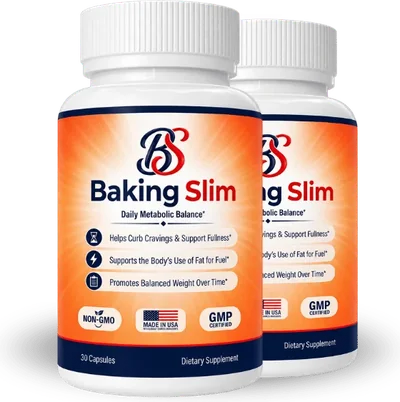
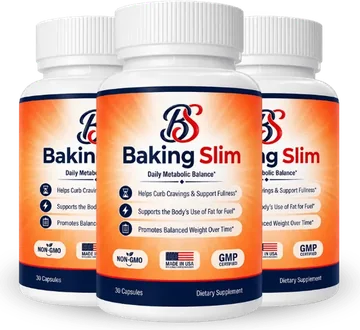
Fake celebrity endorsement ads are ads that borrow a famous face or name to sell a product the person never backed, and a shopper checking BakingSlim Capsules should learn to spot them. The FTC lists fake celebrity endorsements among the tools scammers use in supplement ads 1.
This site names no celebrities, shows or brands. We have seen no endorsement by any famous person for BakingSlim Capsules, and we make no claim of one. Below are the warning signs, a quick check table and what to do if you already paid.
What are fake celebrity endorsement ads?
Fake celebrity endorsement ads present a well-known person as recommending a product when no real endorsement exists. The FTC says scammers use fake news stories, look-alike names, fake reviews, altered photos and fake celebrity endorsements 1.
The face may be an edited photo, a clip cut from another video or a made-up quote. The ad is built to borrow trust, so the right response is to test the claim rather than the face. Our scam page applies the same tests to BakingSlim Capsules.
What warning signs should you look for?
The strongest warning sign is an ad that promises a result with no effort while showing a famous person. The FTC describes false promises such as losing weight without diet or exercise, permanent results, one pill being all it takes, and a product that works for everyone 1.
Watch for these patterns:
- A news-style page with no named author or outlet you can check.
- A quote from a famous person that you cannot find anywhere else.
- A countdown timer, a stock warning or a claim that doctors dislike the product.
- A photo that looks edited, or a before-and-after image with no source.
- An order page whose seller you cannot identify.
How do you check an ad quickly?
You can check most ads in a few minutes by comparing what the ad says with what the seller can show. The table lists the checks in order.
| Check | What to look for |
|---|---|
| Source | Does the person or their own official account say it? |
| Claim | Does it promise a result? FTC says claims need evidence 2 |
| Seller | Is there a real phone number and returns address? |
| Label | Does the bottle panel match the ad's ingredient list? |
| Reviews | Do they read alike, or lack any detail? |
For BakingSlim Capsules, the sales page lists no phone or email of its own, but the owner pack lists an order desk at +1 (302) 200-3480. A seller who answers the phone is easier to check than an anonymous page.
Why do these ads work on careful shoppers?
Fake celebrity endorsement ads work because a familiar face shortcuts the questions a careful shopper would normally ask. The ad borrows trust, then asks for a quick decision.
Slowing down is the answer to that pressure, and it costs nothing. Close the page, find the bottle's own label and read it, then compare it with the sales page, which says one capsule a day with a full glass of water 3. If the ad says something the label does not, believe the label. When fake celebrity endorsement ads appear in your feed, you do not owe them a reply, and you can report them without buying anything.
What do the rules say about endorsements?
The FTC says health claims in ads need competent and reliable scientific evidence, and it has separate endorsement rules 2. An endorsement in an ad should come from a real person who actually holds the opinion.
We cannot tell you whether any particular ad breaks those rules. We can say that FDA has found hidden drug ingredients in some products sold for weight loss, including some marketed as supplements 4, and that we make no finding about BakingSlim Capsules. A famous face tells you nothing about what is in the capsule, so read the panel on your bottle, which we have not seen, and ask a pharmacist about your medicines.
What can you do if you already ordered or saw a fake ad?
If you ordered after seeing a suspicious ad, act quickly and keep records. You can report deceptive ads to the FTC at ReportFraud.ftc.gov 1.
- Keep screenshots of the ad, the order page and the confirmation email.
- Call the order desk at +1 (302) 200-3480 with your order ID and ask about the guarantee; the sales page states 60 days from purchase, and the owner pack lists return steps, so confirm which applies.
- If you cannot resolve a charge, read the FTC's advice on disputing credit card charges 5.
- Tell your card issuer if you think the page was not the seller you meant to pay.
Our legit page lists what we could and could not confirm about the seller, and the guarantee page shows both versions of the return terms.
Frequently asked questions
Is there a celebrity endorsement for BakingSlim Capsules?
We have seen none and make no claim of one. If an ad shows a famous person with BakingSlim Capsules, regard it as unverified and check the FTC warning signs 1.
How can I tell if an ad for BakingSlim Capsules uses a fake endorsement?
Look for edited photos, news-style pages with no named author, and quotes you cannot find elsewhere. The FTC lists these among scam tools 1. Compare the ad with the bottle.
Where do I report a misleading BakingSlim Capsules ad?
You can report it to the FTC at ReportFraud.ftc.gov 1. Also tell the order desk at +1 (302) 200-3480, with a screenshot, so the seller can look into it.
What should I do if I paid for BakingSlim Capsules after a suspicious ad?
Keep your order email and screenshots, then call the order desk at +1 (302) 200-3480 about the guarantee. If a charge cannot be settled, see the FTC's advice on disputing charges 5.
Sources for this page
- FTC Consumer Advice: The Truth Behind Weight Loss Ads
- FTC: Health Products Compliance Guidance
- BakingSlim official sales page, read on Nov 25, 2026: ingredient list and amounts, directions, kit prices, guarantee and shipping wording
- FDA: Weight Loss Product Notifications (hidden drug ingredients in products sold for weight loss)
- FTC Consumer Advice: Using Credit Cards and Disputing Charges
Label facts come from photos of the BakingSlim bottle front. Ingredient amounts, prices and guarantee wording come from the seller page as read on Nov 25, 2026; confirm them at checkout. Where sources differ, the printed label wins.