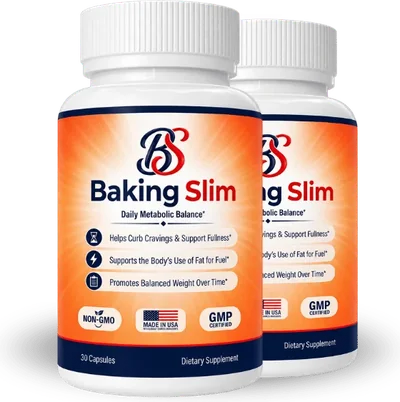
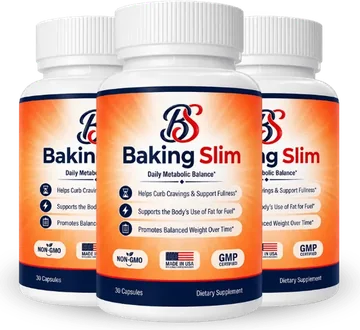
How to read a supplement facts label comes down to five checks: serving size, amount per serving, percent Daily Value, blend entries and the other-ingredients line. We apply them to BakingSlim Capsules, though we have not seen the panel on that bottle.
What we have is the sales page, which lists chromium at 100 mcg and a 510 mg blend 1. Use this guide with your own bottle in hand, because the printed panel decides what is true, and where it differs from the sales page, trust the bottle and tell the order desk.
What does a Supplement Facts panel show?
A Supplement Facts panel lists the serving size, the amount of each dietary ingredient per serving, and a percent Daily Value where one exists. FDA's Dietary Supplement Labeling Guide explains how the panel is laid out 2.
Read it top to bottom. Start with the serving size and servings per container, then the ingredient rows, then the line of other ingredients below the panel. Our Supplement Facts page explains which parts of the BakingSlim Capsules panel we could and could not check.
What do serving size and amount per serving mean?
Serving size is the amount the label says makes one serving, and every number on the panel refers to that amount. For BakingSlim Capsules the sales page says to take one capsule a day with a full glass of water 1, but the panel's own serving line is not something we have seen.
Compare the two. If your panel says a serving is more than one capsule, every amount on it is for that larger serving, and a 30-capsule bottle would last fewer days. Check the line before you work out how long a bottle lasts, and ask the order desk if the wording is unclear.
How do percent Daily Value numbers work?
Percent Daily Value compares an ingredient amount with a reference amount set by FDA. FDA publishes these values, and the Daily Value for chromium is 35 mcg 3.
The sales page shows chromium (as chromium picolinate) at 100 mcg and 286% DV 1. Dividing 100 by 35 gives about 286, so the two numbers agree. The percentage describes size against a reference, not whether an amount suits you. NIH's Office of Dietary Supplements notes that scientists no longer consider chromium necessary for good health 4, so ask your doctor what a number means for you.
How are proprietary blends listed?
A proprietary blend shows one total for the whole blend and then names the ingredients without individual amounts. FDA's guide says a blend must show its total and list its ingredients in order of predominance by weight 2.
The sales page names a "Proprietary Metabolic Blend" of 510 mg with eight items, starting with green tea leaf extract 1. No item has an amount, so we do not give one; our proprietary blend page goes further. What the order rule lets you do is read the panel on your bottle and see which item comes first, which is the largest.
| Panel line | What it tells you | What we know for BakingSlim |
|---|---|---|
| Serving size | Amount that equals one serving | Panel not seen |
| Chromium | Amount and percent DV | Sales page: 100 mcg, 286% DV |
| Proprietary blend | Total only, items in order | Sales page: 510 mg, eight named items |
| Other ingredients | Shell, fillers, allergens | Unknown |
What should you check in the other-ingredients line?
The other-ingredients line shows what is in the product besides the listed dietary ingredients, such as the capsule shell and fillers. For BakingSlim Capsules that line is unknown to us, so the capsule shell, fillers and allergens are all unconfirmed.
Anyone with an allergy, or who avoids certain shell materials, should read this line before opening the bottle. A warning or storage line may also appear on the back label, which we have not seen. If a line is missing or unreadable, ask the order desk at +1 (302) 200-3480 before use, and keep the bottle's lot number and best-before date if the bottle shows them.
What can you not learn from the panel?
A panel cannot tell you whether a product has been tested, whether it suits your health, or whether a badge on the front is verified. FDA says supplements are not approved before they are sold, and that makers are responsible for the safety of their products and the accuracy of their labels 5.
Here is a short routine to follow once you have the bottle:
- Photograph the full panel, including the other-ingredients line and any warning.
- Note the serving size and the first item in any blend.
- Compare it with the sales page and write down each difference.
- Take the photo to a pharmacist, with a list of your medicines.
The other ingredients page lists items shown only in a sales graphic and not in the written list, which your panel will settle.
Frequently asked questions
Where is the Supplement Facts panel on BakingSlim Capsules?
It is on the bottle, usually away from the front label. We have not seen it. The front prints the name, front statements, badges, "30 Capsules" and "Dietary Supplement".
Does the BakingSlim Capsules label list the amount of each blend ingredient?
What does 286% DV mean on BakingSlim Capsules?
It is the sales page's figure for 100 mcg of chromium compared with FDA's 35 mcg Daily Value 3. It compares size to a reference and is not advice about what you should take.
Who can help me read a BakingSlim Capsules label?
A pharmacist can read your bottle's panel with your medicine list. The order desk at +1 (302) 200-3480 can answer questions about what your lot contains.
Sources for this page
- BakingSlim official sales page, read on Nov 25, 2026: ingredient list and amounts, directions, kit prices, guarantee and shipping wording
- FDA: Dietary Supplement Labeling Guide (Supplement Facts panel, serving size, proprietary blends)
- FDA: Daily Value on the Nutrition and Supplement Facts Labels
- NIH Office of Dietary Supplements: Chromium fact sheet for consumers
- FDA: Questions and Answers on Dietary Supplements
Label facts come from photos of the BakingSlim bottle front. Ingredient amounts, prices and guarantee wording come from the seller page as read on Nov 25, 2026; confirm them at checkout. Where sources differ, the printed label wins.