Baking soda shot trend explained in one line: it is an online ad pattern that pairs a kitchen powder with big promises, and BakingSlim Capsules are not part of it. Our fact sheet says BakingSlim is not baking soda, and neither this site nor the capsule makes any baking soda claim.
This post describes how such ads are built, what the FTC and FDA say about that style of promotion, and how to check a product name against its ingredient list. We name no people, shows or products.
What is the baking soda shot trend?
For anyone reading a baking soda shot trend explained piece, the trend is a series of online videos and ads that tell viewers to stir a household powder into a drink and take it as a shot, usually with a promise attached. We do not endorse the practice and do not describe any effect, because we have no source that supports one. If you are curious about a drink you saw online, a pharmacist or doctor is the right person to ask, not an ad.
What we can describe is the ad pattern: a short clip, an urgent voice, a dramatic story and a link to buy something. The product behind the link is often a different item from the powder shown on screen, which is why the name on a bottle matters.
Is BakingSlim Capsules a baking soda product?
No. BakingSlim is not baking soda, and the written sales-page ingredient list and the sales ingredient graphic show no baking soda or sodium bicarbonate 1.
The name does not mean the capsule contains it, as far as those lists show. We have not seen the Supplement Facts panel, so check the panel on your own bottle. The sales page lists chromium at 100 mcg and a 510 mg "Proprietary Metabolic Blend" of eight named items, and our baking soda page explains the naming confusion in more detail.
How do trend ads usually work?
Trend ads usually follow a fixed pattern that the FTC has warned about: false promises, fake news stories, look-alike names, fake reviews, altered photos and fake celebrity endorsements 2. Knowing the pattern is more useful than memorising any one ad.
| What the ad does | What to check |
|---|---|
| Shows a kitchen item, sells a capsule | Read the ingredient list for the item shown |
| Promises a result with no effort | FTC lists this as a false-promise pattern |
| Uses a news-style page | Look for who owns the page |
| Shows a famous face | Regard as unverified unless the source is clear |
| Counts down a timer | Pressure is not evidence |
What do FTC and FDA say about this kind of promotion?
The FTC says health claims in ads need competent and reliable scientific evidence 3. It also lists promises such as losing weight without diet or exercise, permanent results and "one pill is all it takes" as false-promise patterns 2.
FDA has found hidden drug ingredients in some products sold for weight loss, including some marketed as supplements 4. We make no such finding about BakingSlim Capsules. NIH's Office of Dietary Supplements says there is little scientific evidence that weight-loss supplements work 5. This site claims nothing of the kind for any capsule.
Why does the BakingSlim name cause confusion?
The name causes confusion because it starts with a kitchen word, so a shopper who has seen a trend ad may assume a link. There is none that we can find: the written ingredient list names green tea, apple cider vinegar, berberine, ginger, cinnamon, bitter orange, cayenne and banaba inside the blend, plus chromium 1.
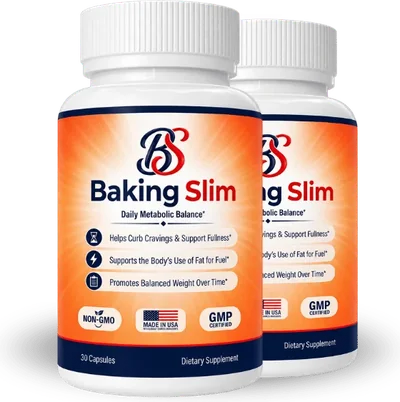
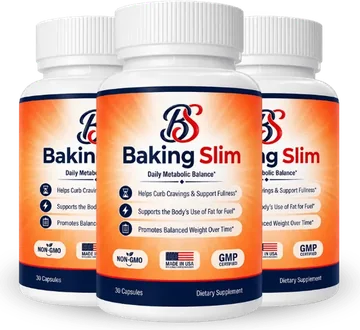
The bottle front prints the name as two words, "Baking Slim", beside the line "Daily Metabolic Balance*". The asterisk points to the standard FDA statement, and this site does not repeat the front lines as benefits. Any baking soda shot trend explained on a page that sells these capsules should be read with that in mind: the page is advertising, and your panel is the fact.
How can you check a product that rides a trend?
Check the product, not the video. Start with the bottle in your hand and work outward, using the list below.
- Read the Supplement Facts panel and compare it with the ad or sales page.
- Find a phone number or address that belongs to the seller, and call it.
- Ask about the lot number and a certificate of analysis for your lot.
- Screenshot the ad, the order page and the confirmation email.
- Report a deceptive ad to the FTC at ReportFraud.ftc.gov 2.
Our scam page walks through legitimacy checks, and the legit page lists what we could and could not confirm. Anyone taking medicines should ask a pharmacist before trying any new supplement, powder or otherwise.
Frequently asked questions
Does the BakingSlim Capsules ingredient list include baking soda?
Neither the written sales-page ingredient list nor the sales graphic shows baking soda or sodium bicarbonate 1. We have not seen the Supplement Facts panel, so check your bottle.
Is BakingSlim Capsules part of the baking soda shot trend?
No. This site and the capsule make no baking soda claim, and the sales page does not describe a drink or a shot. Take care if an ad links the two, and report it if it looks deceptive.
Why is it called BakingSlim Capsules if there is no baking soda?
We do not know how the name was chosen, and no source we have seen explains it. The bottle prints it as two words, "Baking Slim" 6. Ask the order desk for the story.
How do I spot a misleading ad for BakingSlim Capsules?
Check for the FTC's warning signs: false promises, fake news pages, look-alike names, fake reviews and fake endorsements 2. Compare any claim with the bottle and the sales page.
Sources for this page
- BakingSlim official sales page, read on Nov 25, 2026: ingredient list and amounts, directions, kit prices, guarantee and shipping wording
- FTC Consumer Advice: The Truth Behind Weight Loss Ads
- FTC: Health Products Compliance Guidance
- FDA: Weight Loss Product Notifications (hidden drug ingredients in products sold for weight loss)
- NIH Office of Dietary Supplements: Dietary Supplements for Weight Loss (fact sheet for consumers)
- BakingSlim bottle front label (product photos in the owner pack): name, front statements, printed badges, "30 Capsules", "Dietary Supplement"
Label facts come from photos of the BakingSlim bottle front. Ingredient amounts, prices and guarantee wording come from the seller page as read on Nov 25, 2026; confirm them at checkout. Where sources differ, the printed label wins.